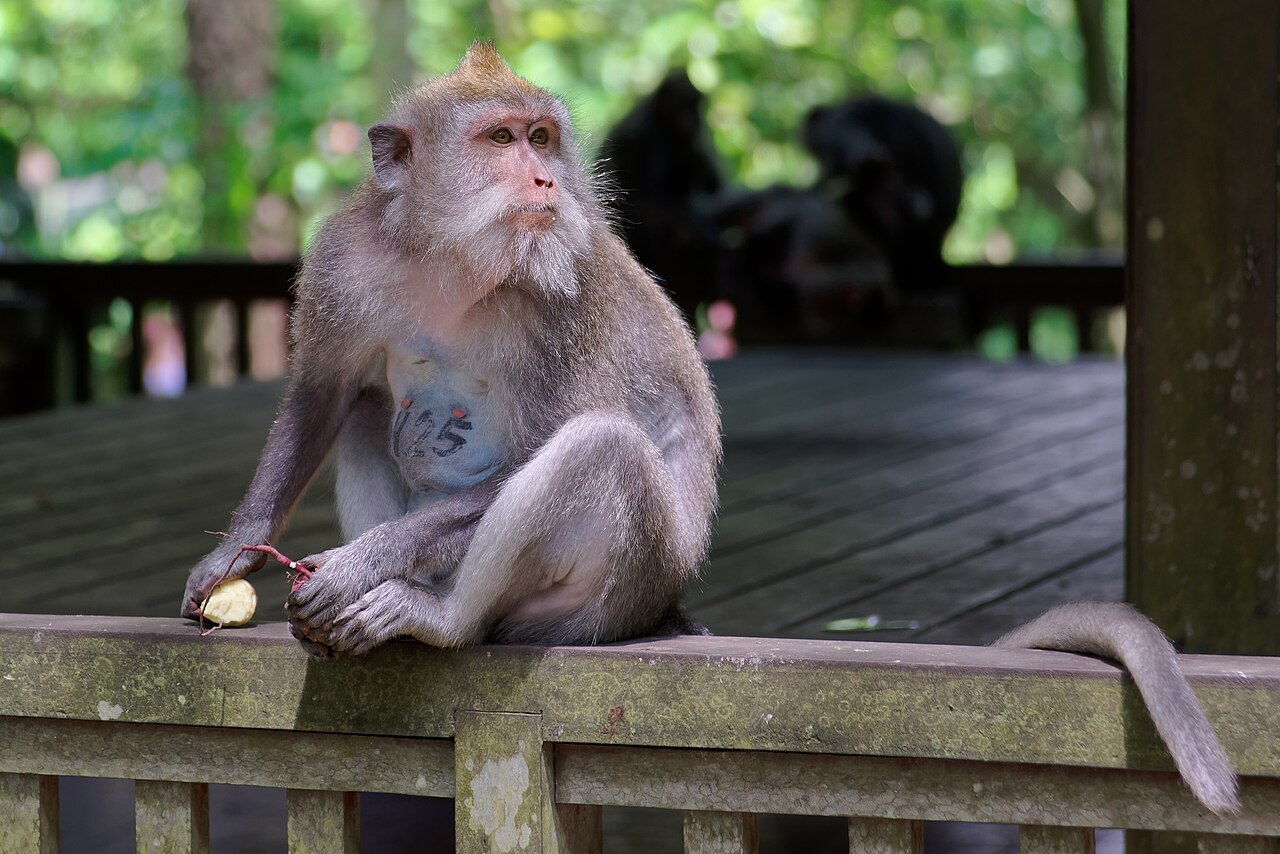
🐒Sacred Monkey Forest
Jungle right in the middle of Ubud: moss-covered ancient temples, banyan roots and hundreds of long-tailed macaques.
The author’s guide · 2026
Rice terraces, clifftop temples above the ocean, a volcano at sunrise and surf breaks people fly halfway round the world for.
Open the interactive guideJungle right in the middle of Ubud: moss-covered ancient temples, banyan roots and hundreds of long-tailed macaques.
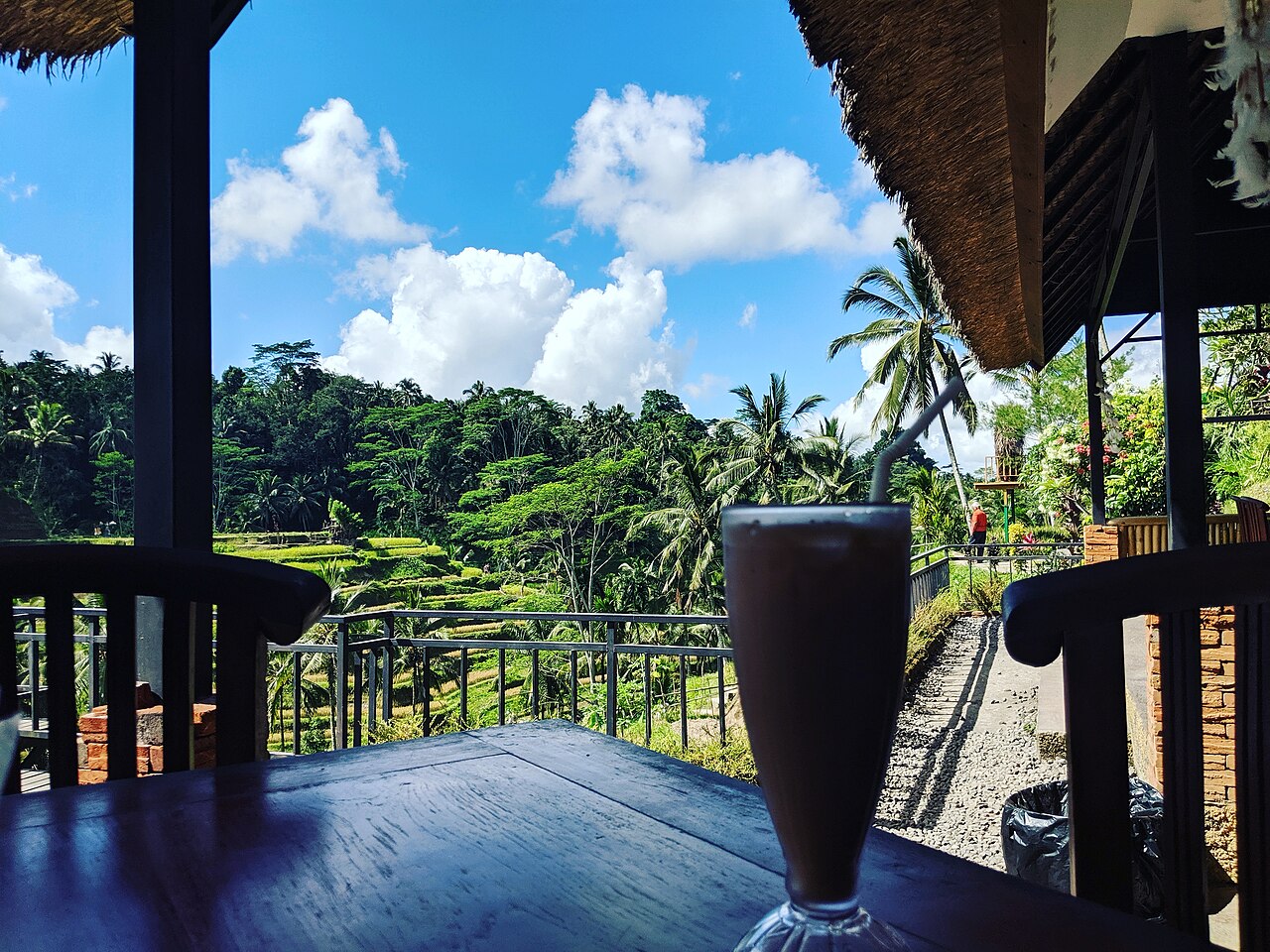
Bali's most famous terraces: green steps dropping into a valley between palm trees.
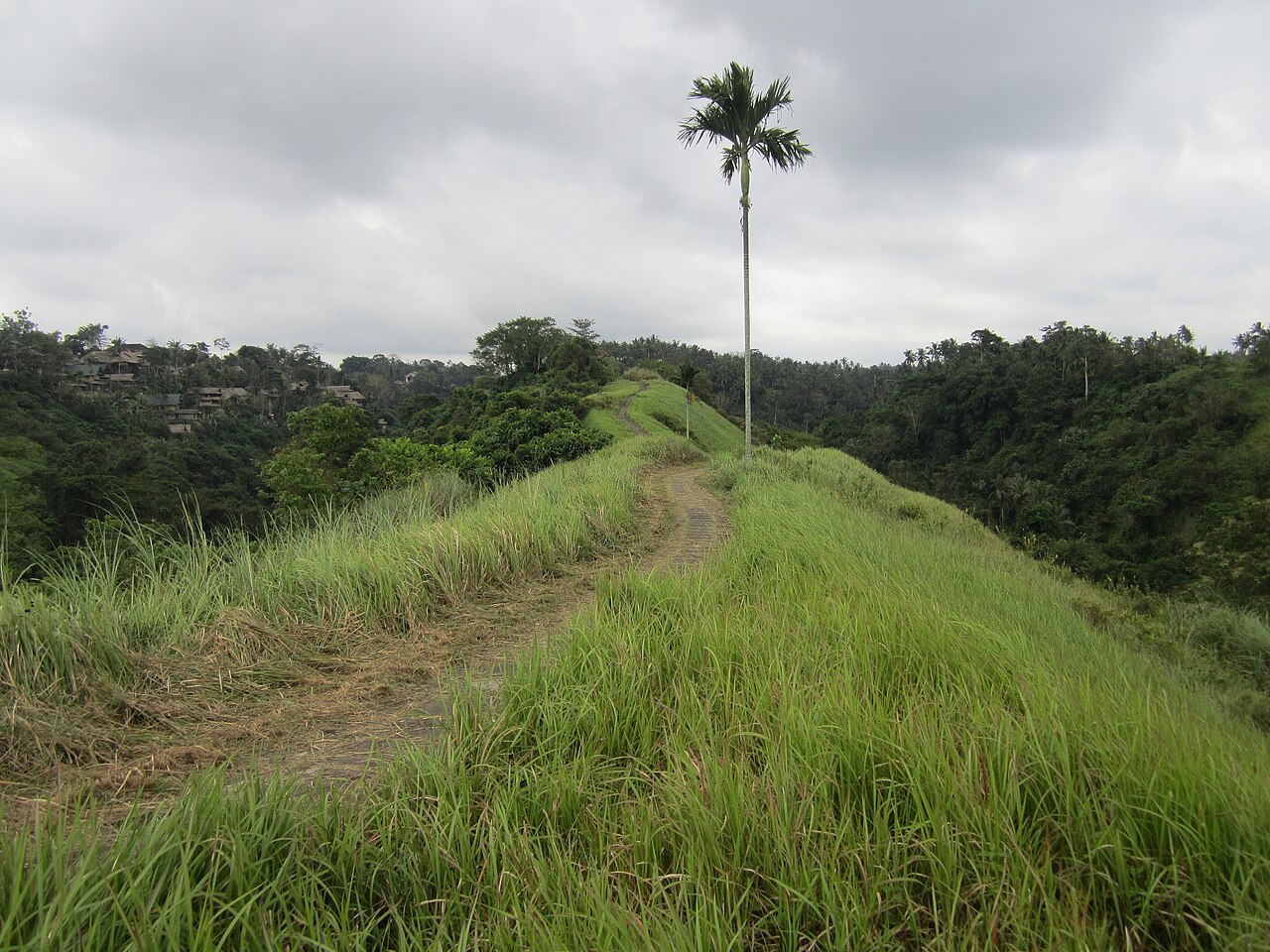
A free path along a hilltop ridge between two rivers: waist-high grass, palms and jungle views.
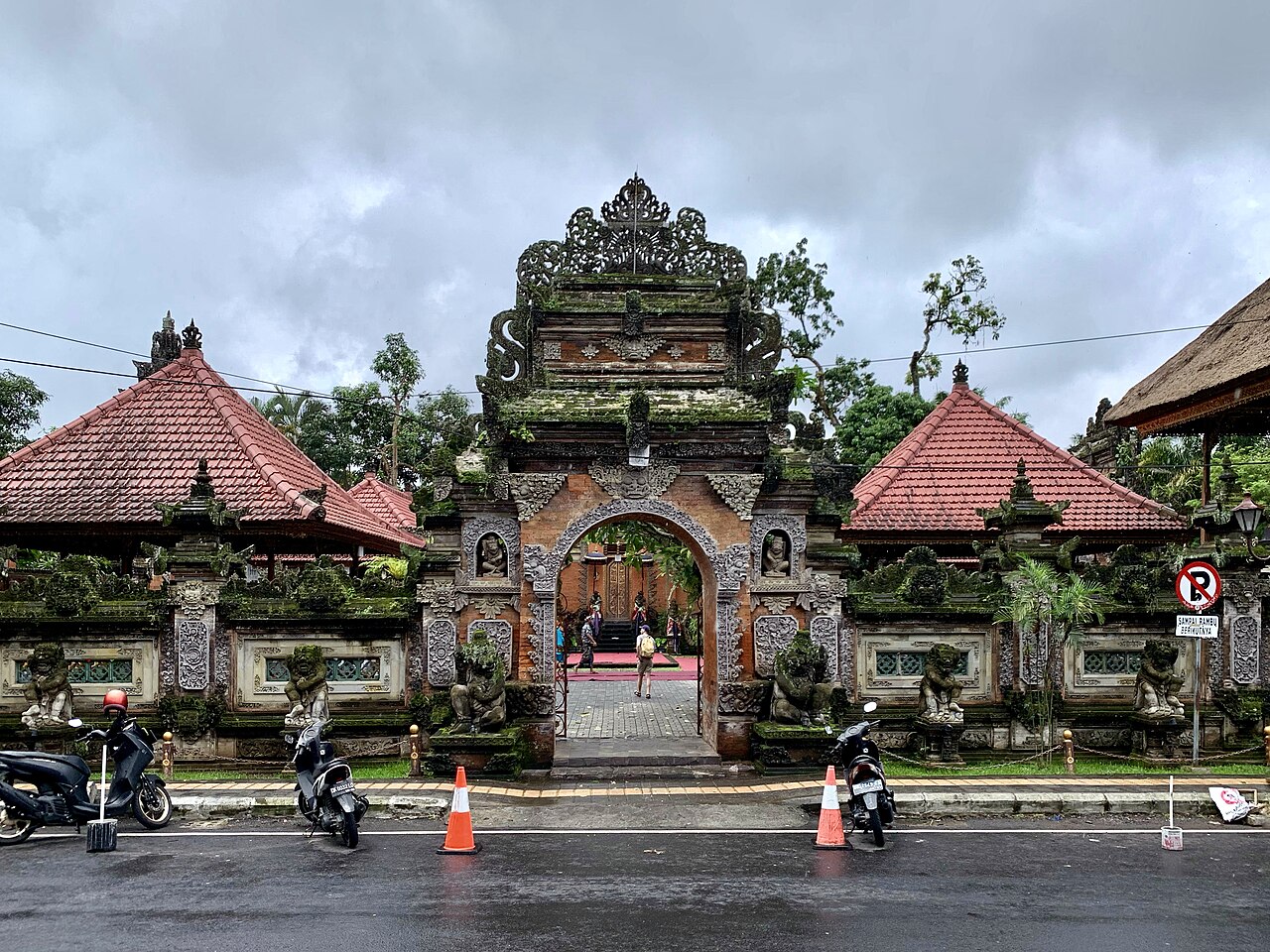
The royal palace with carved gates and the market opposite: sarongs, baskets, coffee and souvenirs.
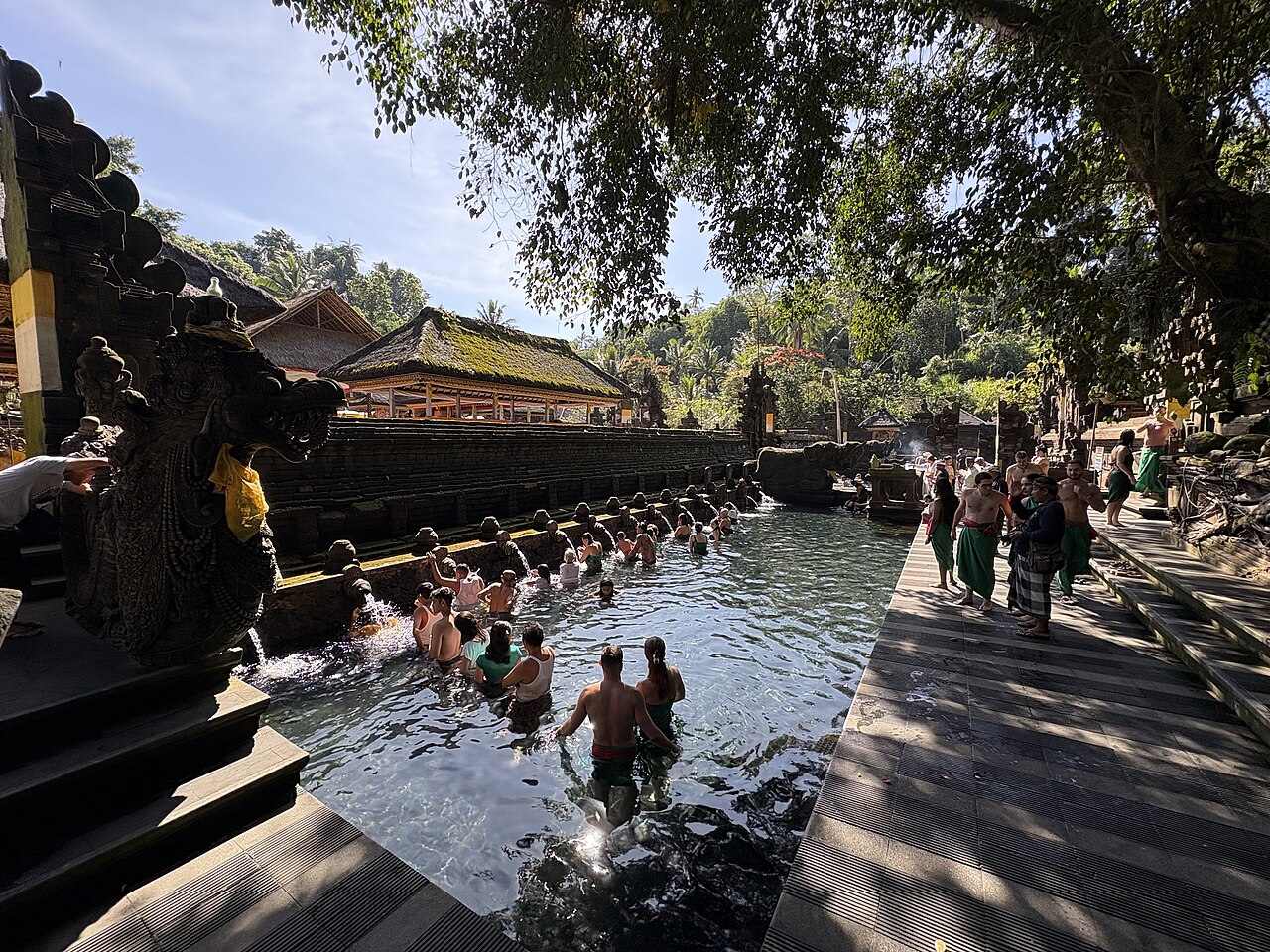
The temple of holy springs, where Balinese walk through a row of fountains in a purification ritual.
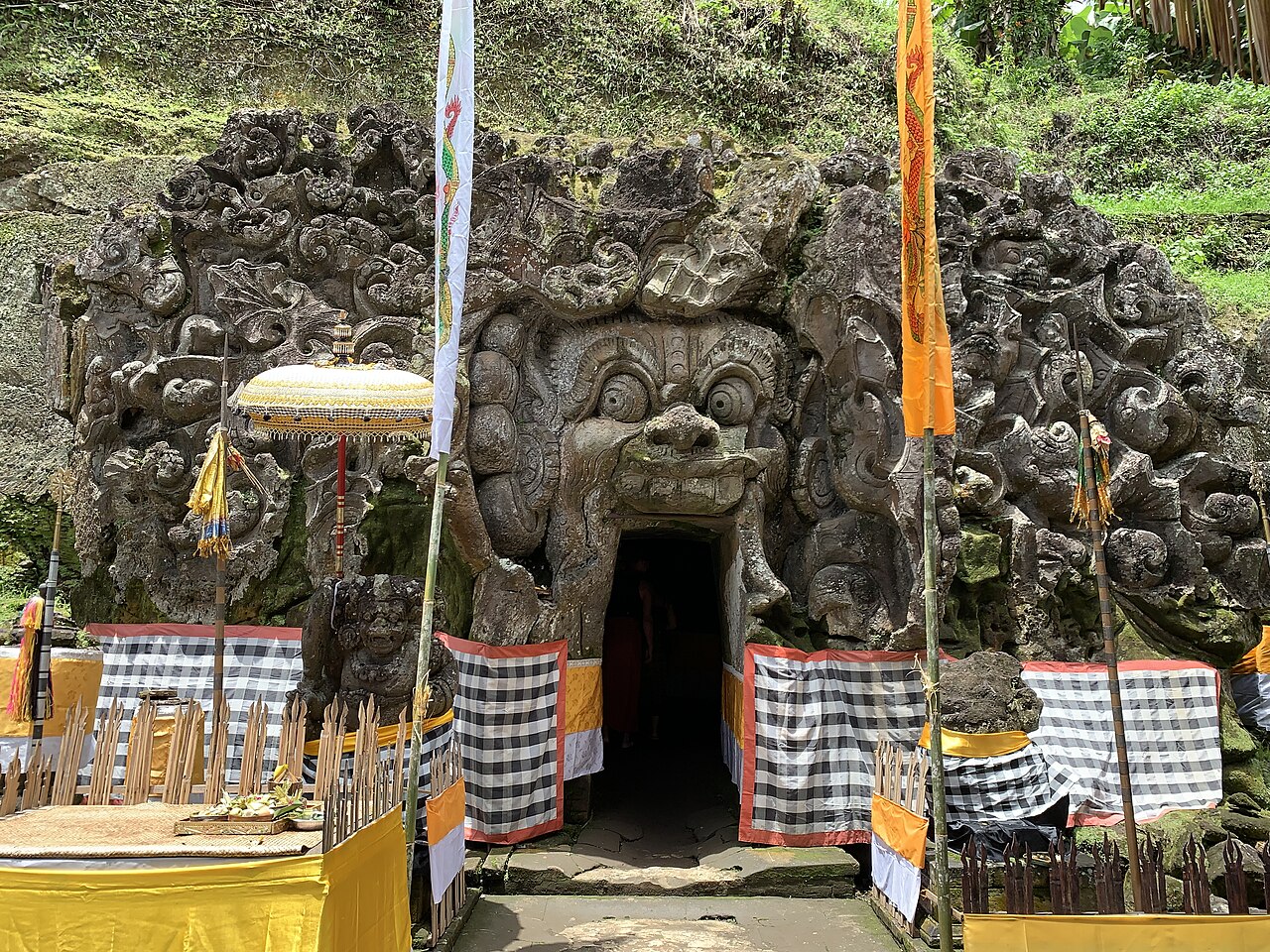
The 11th-century "Elephant Cave": an entrance carved as a demon's mouth, ancient bathing pools and a jungle path down to a stream.
Two hours climbing in the dark by torchlight, then the sun rises over the lake and the clouds with Mount Agung opposite. Guides cook breakfast right in the volcanic steam.
A hundred men in chequered sarongs sit in a circle chanting "chak-chak-chak" while the sun sinks into the ocean behind them. It feels less like a show and more like a real trance.
At 7 a.m. the haze still hangs over the terraces, farmers head into the fields and there's not a selfie stick in sight.
Culture, yoga, jungle. The heart of the island: temples, rice terraces, cafés and retreats. No sea, the beaches are an hour or more away, and evenings are quiet.
− Not for daily swims: the sea is far away.
Surf, cafés, nightlife. The trendiest area: surf breaks, coffee shops, beach clubs and coworking spaces.
− Not for peace and quiet: building sites, scooters and music until late.
Restaurants, shopping, sunsets. Stylish and convenient: everything is close, with a wide beach, spas and boutiques. Pricier than Canggu but calmer in the evenings.
− Not for saving money: prices are among the highest on the island.
Cliffs, beaches, views. The island's south: white-sand coves, a clifftop temple and villas overlooking the ocean. You need a scooter or a driver, as everything is spread out.
− Not if you don't ride a scooter: without transport you'll be stuck at your villa.
Quiet, good with kids. A calm area on the east coast: a flat sea without big waves, a seafront promenade, and the boats to Nusa Penida leave from here.
− Not for parties or surfing: it's quiet in the evenings and there are no waves.
All-inclusive resorts. A gated resort area with big hotels and well-kept beaches. Clean and safe, but with very little local life.
− Not for the "real Bali": it's just hotels all around.
Snorkelling and diving. Villages on the north-east coast below Mount Agung: black sand, coral right off the shore and a shipwreck at nearby Tulamben.
− Far away: 2.5–3 hours from the airport, with few cafés and shops.
Close to the airport. Noisy, budget-friendly and full of tourists. Handy for your first or last night before a flight.
− Not for a whole holiday: noisy, so-so beaches and lots of pushy sellers.
greatOKoff season
The dry season runs April to October. The Bukit's west coast surfs best in summer, the east coast in the rainy season.
A little cooler than the coast and noticeably wetter. Nights in July–August are fresh.
Around 22–25° by day, and it can drop to 10–14° at night and dawn. In the rainy season the summits are often in cloud.
Drier than the south. The water around Penida is cooler and currents are strong: snorkel only with a guide.
Many passports get a visa on arrival (VOA) or an e-VOA in advance at molina.imigrasi.go.id: IDR 500,000 for 30 days, extendable once for another 30; some, including ASEAN passports, are visa-free. Everyone also pays the IDR 150,000 Bali tourist levy (Love Bali) and fills in the free All Indonesia arrival card within 72 hours before landing. Check the current rules for your passport before you travel.